AAPIHM 2026 - Asiático Latino Americano
Every year during May for AAPIHM, I’ve been continuing my photo project, challenging myself to open my perspective on what it means to have an Asian American identity.
Since last year, I’ve gotten married to a Colombian. It’s been absolutely incredible so far, but this has also made me think more about the lives of my future children. They’ll be Chinese Latino American, and there will be these next level nuances that I will personally never understand. This year, I want to be able to have a conversation and a complimentary shoot with those who identify themselves as Asian Latino.
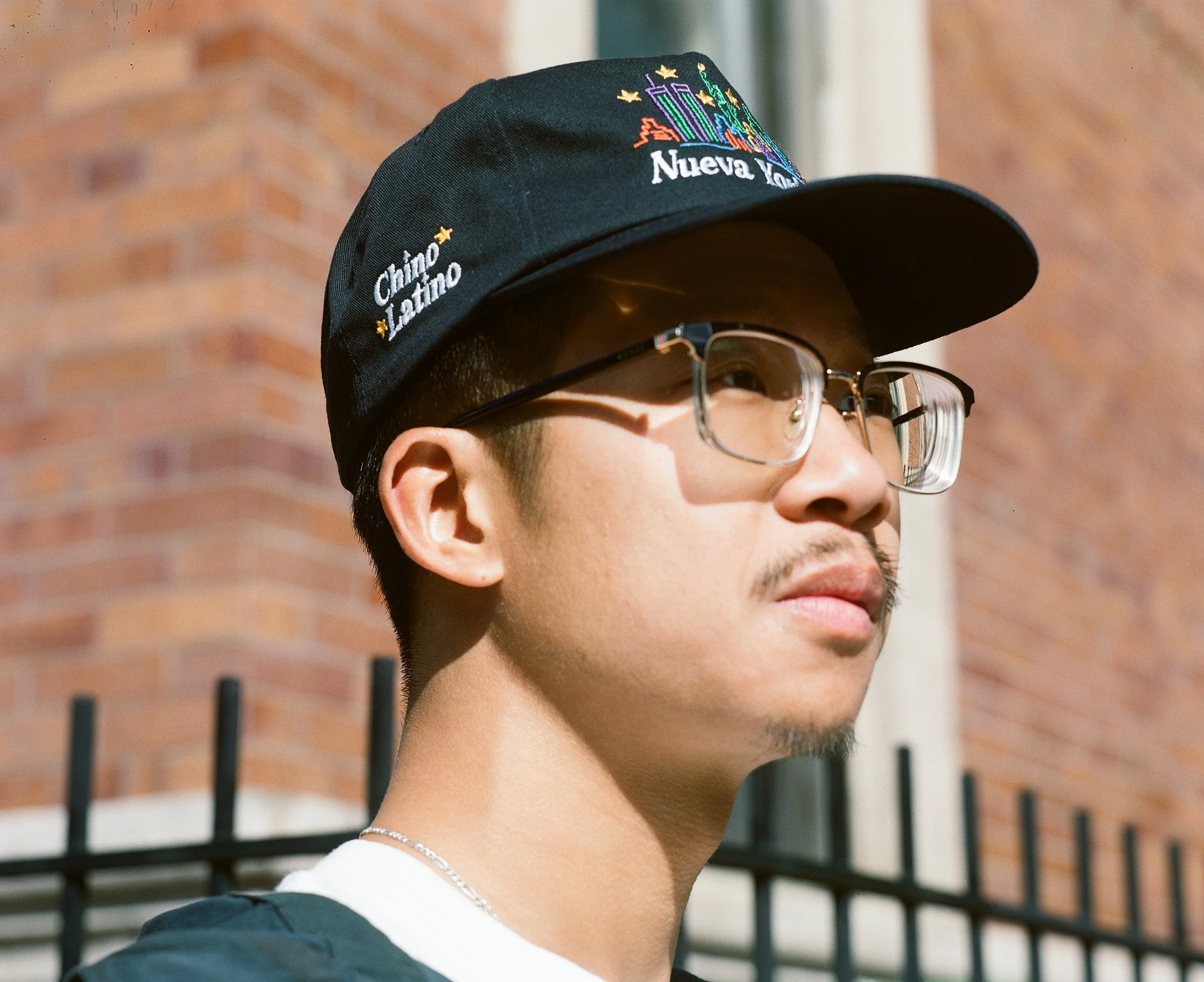


Nick: My name is Nick Llanton. I go by he/him, and I am Chinese and Peruvian.
Sean: Where were you born and raised and how was growing up for you there?
Nick: I was born and raised in Florida, specifically Coral Springs, Florida, closest major city would be Fort Lauderdale. I grew up down there, it was very tranquil and home for 25 years.
I think after 25 years, it was time to kind of branch out. I've always been like a city person, so I wanted something like New York City. And when I visited my older brother here, it kind of provided that sort of dream to eventually live here.
My neighborhood was predominantly white. There were a lot of Hispanics, but not many Asians. Like, I can count on one hand how many Asians were in my school. It wasn’t until I went to college where I really got closer to my Asian side because there were so many Asian organizations. I was in the Filipino Student Association and I really enjoyed getting to know more about that culture through the food, people and we would throw really great parties. So it was a great way to get close and meet people.
Sean: There’s American, there’s Asian, and there’s being Latino/Hispanic. Can you tell me more about when you started to realize you were different in regards to identity vs other folks?
Nick: Growing up we would always speak Spanish, so I speak Spanish fluently. My mom and dad would always grill us to speak Spanish in the house. I would go to Peru for 3 months almost every summer. It's like, “Hey, come take care of your grandparents. They'll spoil you with great food.” It made me enjoy visiting them because of the food, family, and being able to witness something different. As a kid, I would always call it “Planeta Perú” like another planet because it was a whole different lifestyle and world. Everything was accessible with all the families and their houses were like literally in the backyard. It's like, you want to go to your aunt's house, then she's literally a walk away. In Florida. You would need a car everywhere. So I love how connected we were. I would love to visit. I spoke a lot of Spanish there, took care of my grandparents, and learned a lot more about the Peruvian side of me.
Florida is always the meeting point for big family reunions. My uncle would have them on the weekends. It'd be loud ass music and as a kid… like the Bad Bunny reference with the kid on the chair sleeping. I know that feeling because that's literally been me. The music blaring in your ears and you're sleeping. Your parents are having fun and you’re just tired.
That's something that also ties into the music I listen to now. It's a lot of ballads, Luis Miguel, Alejandro Sanz. Growing up, my mom would put it on the radio when she dropped me off at school. Anytime I feel anxious or like I need to be grounded again, I refer to that. It really transports me back into that moment of waking up at fuckin’ 12pm, smelling Fabuloso, and hearing the music playing in the radio on that Saturday. Like, wow, this is it.
There are songs that trigger those memories. That's why I feel a lot more connected to my Hispanic side than my Chinese side. Not that there's anything wrong with that, but I don't know how to speak Cantonese. My dad does. My dad speaks Cantonese, Spanish and English. He's from Canton. He moved to Peru at a young age, which is a common thing actually. Peru's the 2nd largest Asian population in South America. So that was really cool. But yeah, again, growing up we would speak predominantly Spanish and English. I would have loved to learn how to speak Cantonese, but that was never something we did growing up.
Granted, the food, like “Chifa”, is the combination of Peruvian Chinese and that’s a big representation of me. It’s the fusion of ingredients from both territories, Peru and China, to create the most delicious dishes.
Sean: Do you know the reason why your dad moved to Peru from Canton, China?
Nick: I believe it was him and his mother. I don't know why he moved. I would say it's probably for a better life. Eventually, when he met my mom… It's funny because they met through a Chinese community in Peru. It was like a club, a Chinese association. A lot of Peruvian Chinese people would go, and I think that's where they ended up meeting. Eventually they moved to the United States in ‘86 to Illinois.
Sean: Why Illinois?
Nick: My uncle had a restaurant there. It's almost like the fresh off the boat show. They owned an Italian restaurant there. They had the house above the restaurant. That’s how they were making ends meet, at the beginning of their life in America. My parents started life there and then eventually moved to Florida.
Sean: Do you have a fond memory that reminds you of who you are?
Nick: I have a playlist that's like, all salsa. I would play it now at family reunions when I'm with my aunts and uncles whenever I visit Peru or home. They’d say “Oh, I remember this song during the dances from our teenage years”. They’d ask me, ”Oh, is this your playlist?” And I would say, “Yes, this is mine.” It kind of allows them to have that nostalgia of when they heard those songs when they were in high school growing up. That was really cool. It allows me to reconnect with the music that they used to listen to as kids, and also that I used to hear when I was a kid too.
Sean: Are you proud of being Peruvian Chinese?
Nick: A 100%. I am proud of being Peruvian Chinese. Culinary wise, the food is delicious. The people that I connected with. The laughs we've had every time I go to Peru, with my uncles in the car. They're just bantering about random shit, but it's hearing their memories too.”Oh, do you remember when we used to play on this block?” or “Do you remember that restaurant? It closed now and is something else.” Hearing those stories, even though they have nothing to do with me, I love hearing them. Those are the memories I want to be able to tell whenever I raise kids in New York.
I feel like it's so tight knit here. I know that you can say that about any place, but I don't know, I feel like there's just so much more history here and it changes very quickly. And I love hearing those stories. Just like at those family reunions hearing my mom talk to her siblings or my grandmother reminiscing random situations that had happened when they first moved to the States. There were just so many laughs.
Sean: What’s your favorite food?
Nick: My favorite Peruvian food is the Lomo Saltado. So there’s 2 of them. There’s the common dish that I will try anytime I go to a Peruvian restaurant because I feel like it's a good teller of whether or not they know what they're doing. It's very hearty and filling to just dive into. I’ve seen my mom cook it, my uncle cook it, and everyone has their own method of doing it. Another one is this sandwich, the chicharron sandwich - a typical breakfast sandwich in Peru. It's on a roll. You got the crispy chicharron, a slice of sweet potato, red onions, which is like my favorite, and then sometimes little bits of orange pepper. In New York, there are some places that have done it. I've been to a place in Jersey that does it really well. It was like a restaurant that was inside of a family home, which was really cool.
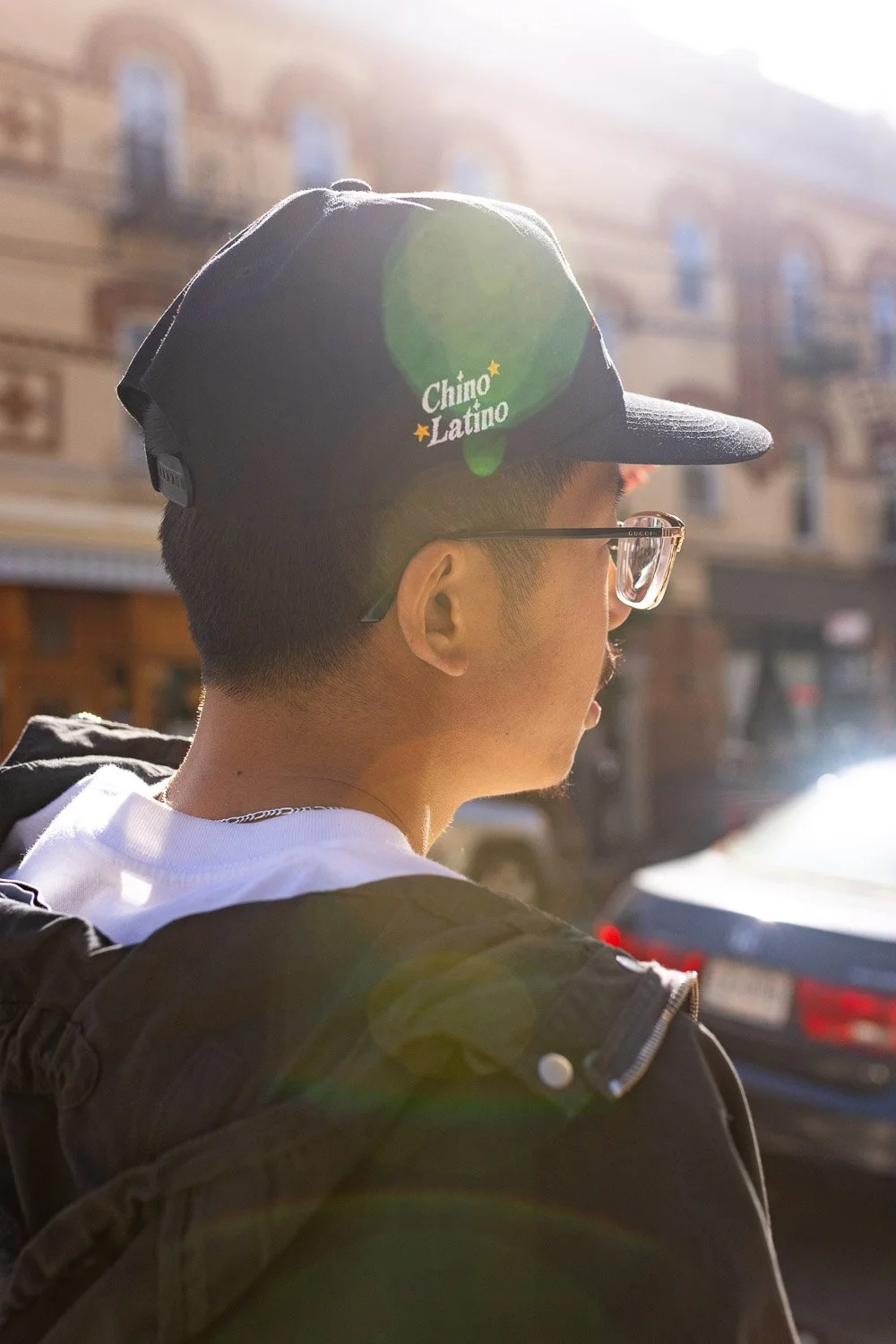
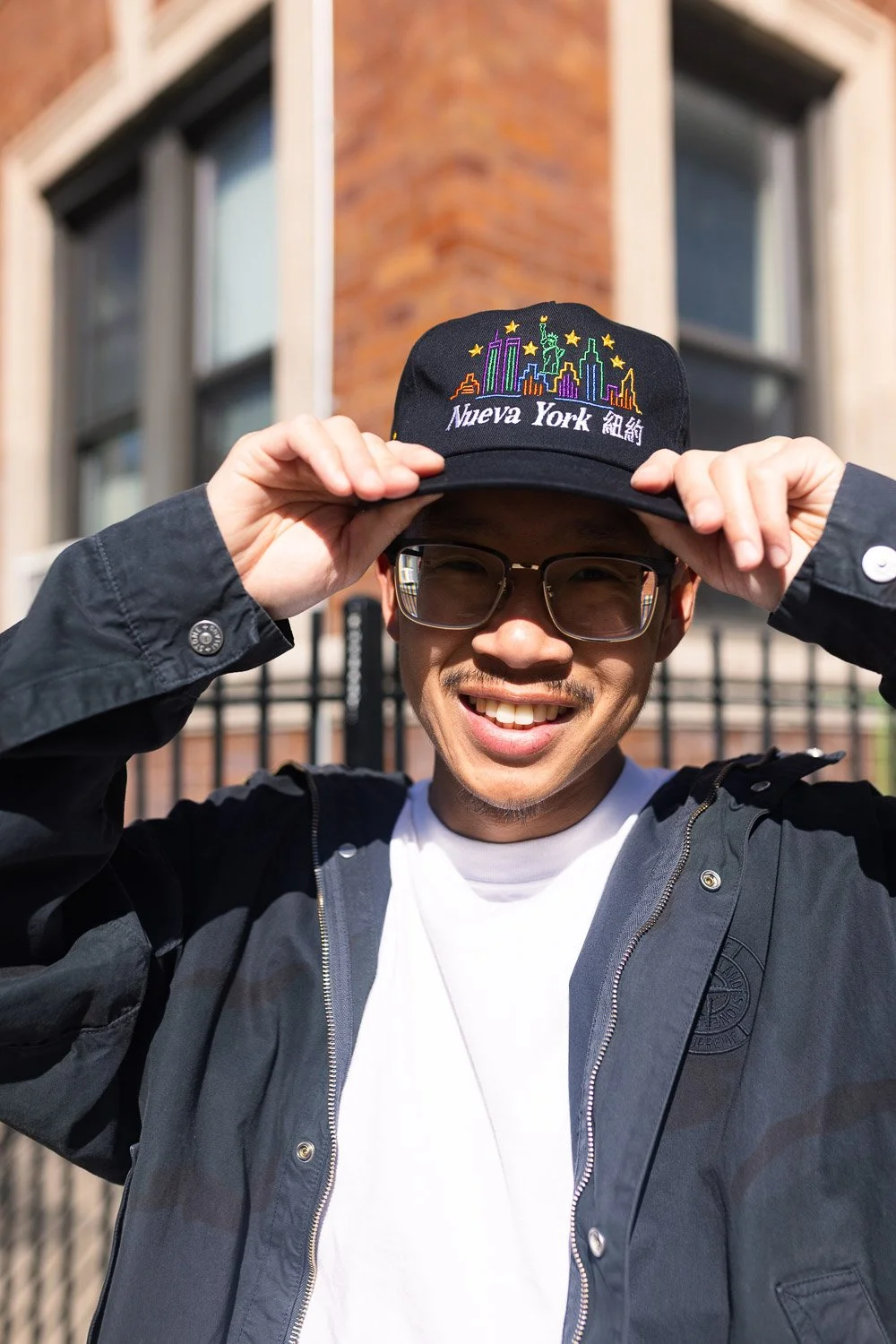
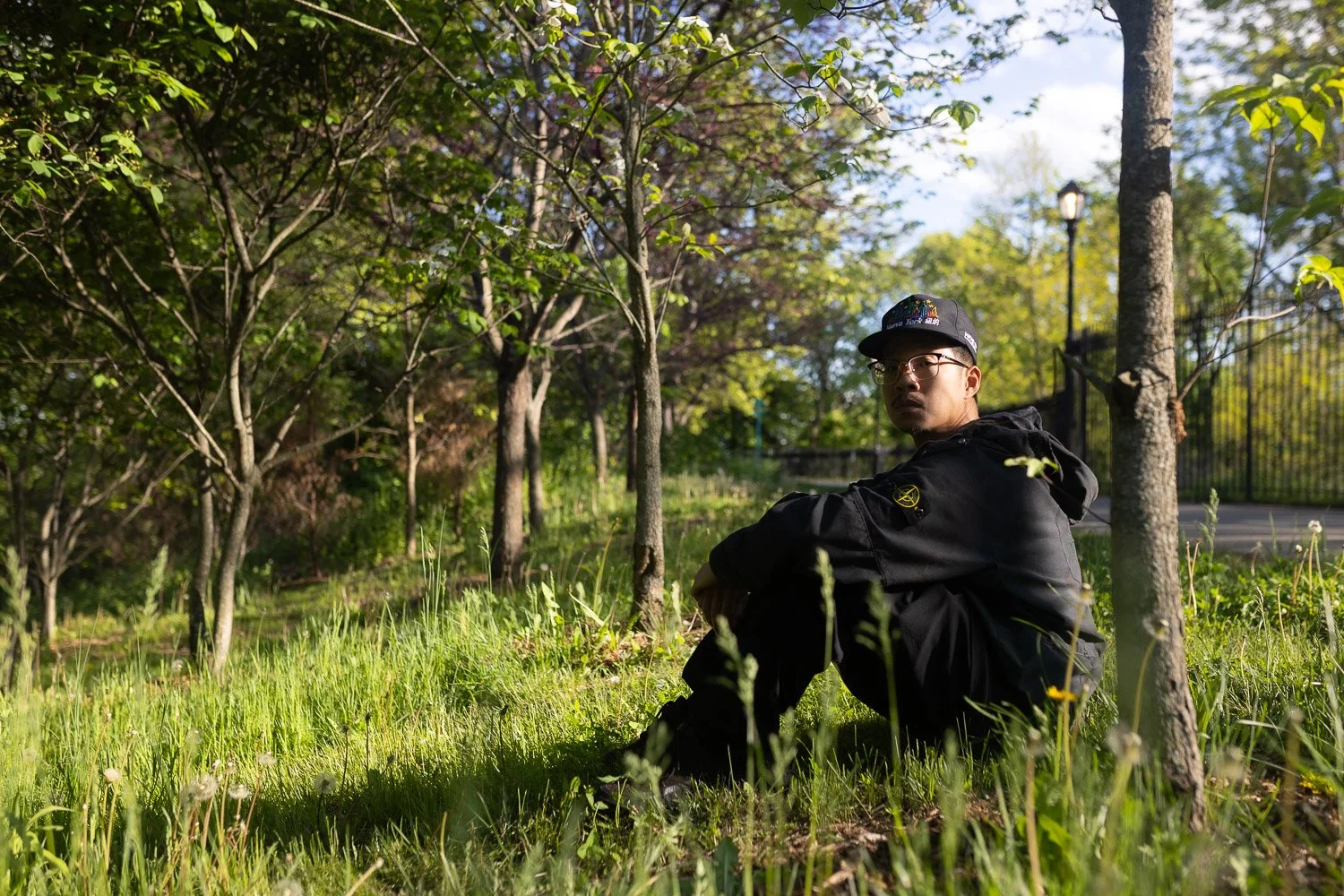
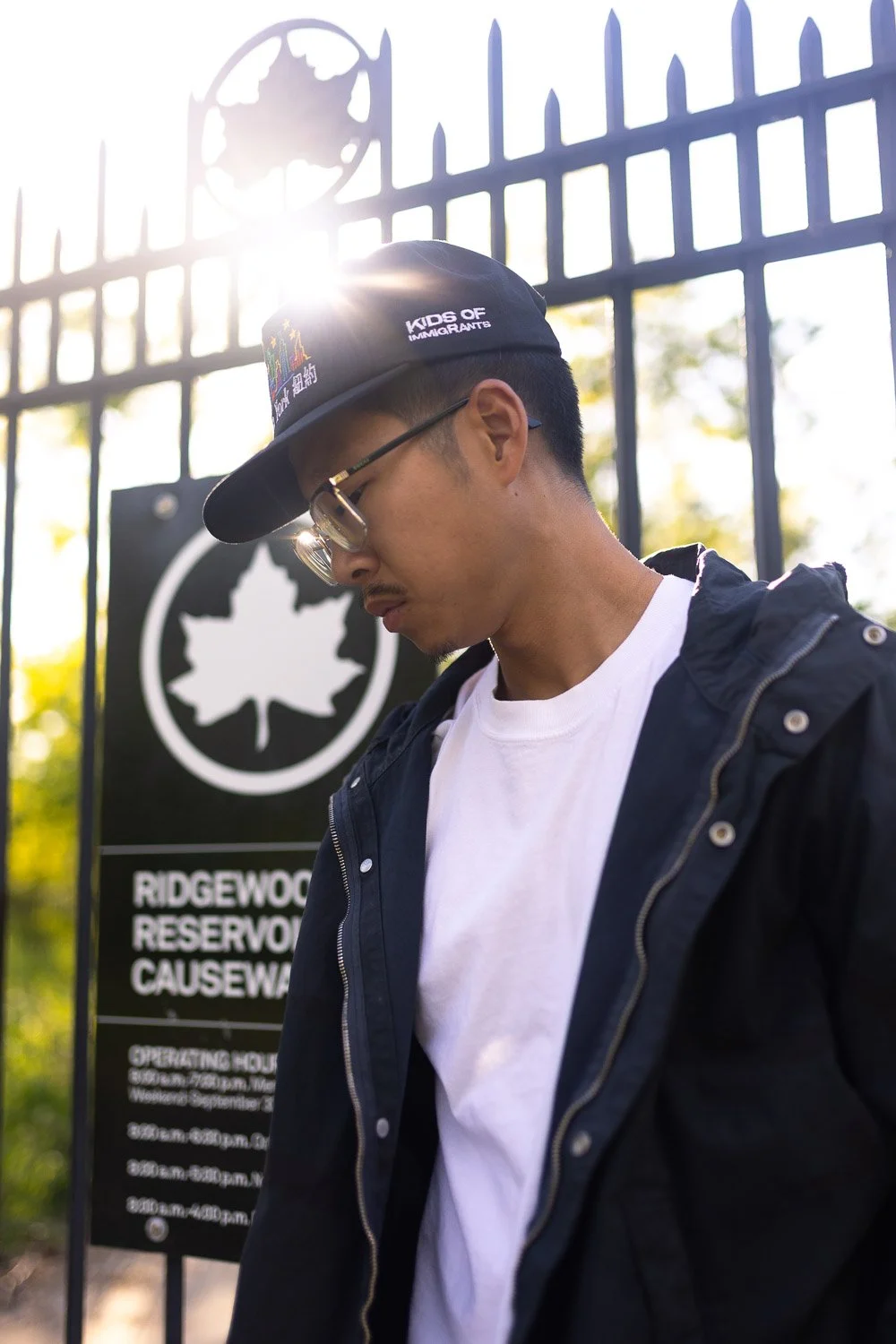
Justin: My name is Justin Choy. Pronouns are he/him, and my ethnic identity is Chinese/Puerto Rican.
Sean: Where were you born and raised and how was growing up for you there?
Justin: I was born and raised in New York City—born in Manhattan, raised in Brooklyn. It was an almost suburban, tucked away corner of Brooklyn called Bergen Beach. I also spent a lot of time in the Lower East Side. My grandparents live there, as do many of my aunts, uncles, and cousins. I also attended church there, so the neighborhood is really like a second home to me.
Life growing up in Bergen Beach wasn’t particularly known for being diverse. As a mixed-race child, it was a little tricky to navigate that in school. The neighborhood is predominantly white and not very tolerant of diversity.
There was a lot of making fun of and picking on kids who were of different races. I think at the time, being the 90’s, it was probably a little more common than it is today. I can’t speak to today’s school experience firsthand, but it does feel like a lot of that has toned down over the years. Back then, from elementary to middle school, that kind of social ostracization felt like kind of the norm.
One of the unique challenges about being of mixed race is that the common language at home becomes English. My dad speaks Chinese, my mom speaks Spanish, and they don’t speak each other’s language. So English is the default. As a result, my own language skills are…not strong, even or non-existent, if we’re being really honest about my Cantonese…
So to sum it all up—growing up for me was juggling the feelings of wanting to fit in with kids at school, and being a little confused about my own ethnocultural background. I didn’t have a fully-formed identity and didn’t really try to learn more about my cultures either. A lot of that came later, but as a kid, it’s not really what you’re focusing on.
Sean: When did you start feeling more at ease about your racial identity?
Justin: For me it was high school. It was really the first time I was exposed to a lot more diversity. My elementary and middle schools were culturally homogenous, but high school, shout out to Brooklyn Tech, was the first time I was around other Asian people that weren’t related to me. And it wasn’t just Asians—it was a mix of everything and a much better representation of New York City’s diversity as a whole. I hadn’t really experienced this cultural immersion in my life prior to that. Seeing it made me feel a little more okay in accepting my own background, finally being able to be proud of my differences as opposed to ashamed of not fitting in. Those societal pressures to be like everyone else started to fade away, and I got a lot more comfortable in my own skin. It completely changed my own self-image, which really fuels my belief that exposure to diversity is good for everybody. It’s more representative of the world, and it gives you a different perspective on pretty much everything.
Up until high school, I basically lived in a 10-block radius. My schools were walking distance from my home, and everything I needed was available close by. I hesitate to use the word “sheltered” but I really didn’t go out on my own until high school. And once I did, I never stopped. I realized how big the city is, and later, the world. I would look at a map, see where I hadn’t been, and go there with no goal other than to see. Different neighborhoods, different communities, different vibes—I took it all in and was fascinated by how different the city could be block by block. I would go there to wander, take photos, eat at new places, and really just get a sense of what different neighborhoods felt like. Sometimes, it’d be uncomfortable. I’d get lost. I’d find places intimidating, and I wouldn’t speak the language everyone was speaking. But that discomfort was growth in disguise—it made me more comfortable being uncomfortable, and it made me very open to talking to random people as an adult.
Sean: Do you know how your parents met?
Justin: I figured this would be a question! And I meant to prep a bit and ask about it last week while visiting my parents for Mother’s Day. In a way it’s such a typical Asian American thing to not ask details about your family. Talking about personal things isn’t really common. Up until more recently, I didn’t even know what most of my family does as their profession. I know both of my parents grew up in the LES, having moved here when they were very young, and that they stayed there for most of their lives. I assume they met in the neighborhood, back in the pre-internet era when knowing your neighbors was normal. But beyond that I don’t know. I should probably go and ask.
(Side Chat)
Justin: The LES is a lot different these days. A lot of neighborhoods are starting to feel a lot more homogenous. Gentrification is shifting entire communities further and further away from city centers, stripping a lot of culture, individuality, and soul from blocks that used to feel so alive. Even around here —a lot of the old Puerto Rican spots have moved out to Brooklyn or East Harlem. I can’t even find cuchifritos anymore without going uptown!
Sean: What are some of the things you love about being Puerto Rican Chinese?
Justin: There’s a lot to love about it, though I feel like I had to really grow into loving it. It’s a unique mix that people are usually very surprised about. It’s a nice conversation starter. It’s common for people to try and guess my background. Filipino was a common one, but I’ve gotten QUITE the range.
But the thing that stands out to me the most on both sides is the big sense of family. The way they each express “family” is very different, but the underlying thing in common is that family is hugely important on both sides of my family.
Everyone makes sure to stay in touch. Everyone takes care of each other, everyone checks in. Everyone loves an excuse to get together, and I’m extremely grateful for all of it. Not everyone has this kind of experience with their families, and some stories I’ve heard are unfortunately the complete opposite—damaging, abusive, exploitative. I’m lucky to have had such a positive experience and I carry that gratitude with me everywhere. I try to push that back out into the world, doing my best to always make people feel included and welcomed, because you never know who doesn’t have that elsewhere in their lives.
Sean: Do you have a fond memory that reminds you of who you are?
Justin: It’s not so much about reminding me of who I am, and it’s not even a clear or distinct memory—but one nice thing I hold onto is seeing old photos of both sides of my family being present at gatherings. It doesn’t really happen much now that everyone is so spread out, but there are albums of photos where both sides of my family would be together at the same gathering. Sometimes it was everyone crammed into one of our small homes, other times it was a neighborhood barbeque on the FDR drive, but seeing photos of the big gatherings is always a heartwarming feeling. Seeing everyone mixing together like that was so nice, even when everyone didn’t know each other as well or were dealing with varying levels of comfort and familiarity. It’s like a perfect snapshot moment that makes me think—“Wow, okay, this is actually my family and it’s a very unique one”. It’s harder and harder to get everybody in one place these days but I’ll always cherish any gathering we can get.
Sean: Are you proud of being Puerto Rican Chinese?
Justin: 100%. But it wasn’t always that way.
As a kid, it was almost something to be ashamed of, because it meant not fitting in with others. It made me different from everyone else and while I didn’t resent it, I definitely was aware of it. But as you grow up, you start to recognize that your differences are what actually make you special. It makes you unique, distinct, interesting, and all of those differences are the things we celebrate and champion.
So yes, I’m extremely proud of my background. It’s not without nuance—I am certainly not the most Chinese nor the most Puerto Rican person around. I did not have the experience of growing up fully in either one, and I’ve struggled with the question of “do I even have a right to be proud?”
Of course, the answer is yes. You should be proud of your heritage. It’s not a competition of “how much” you are of anything. My heritage is my own, and my experiences, however “authentic” or “traditional” they were or weren’t, shaped and influenced the me I’ve become today.
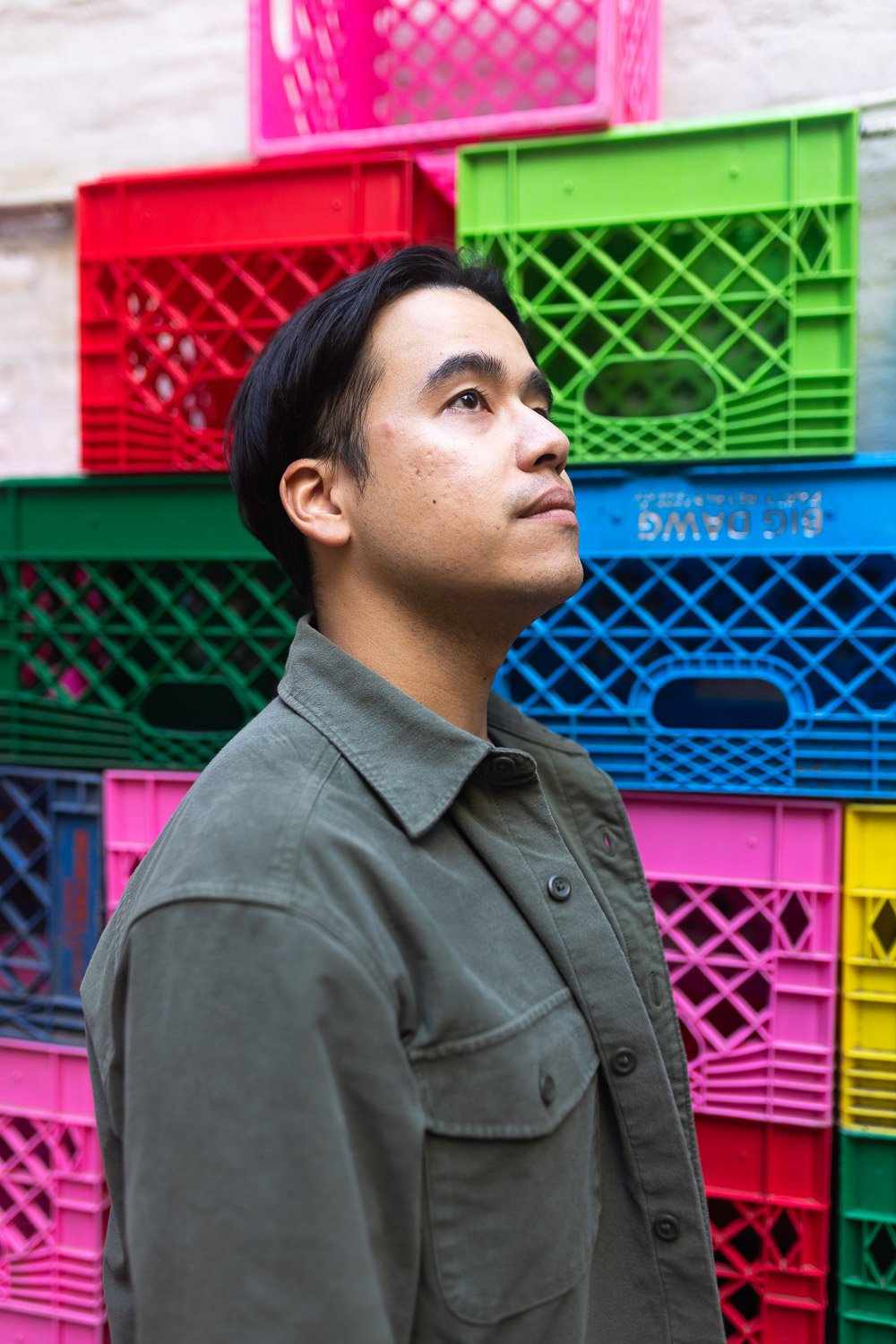
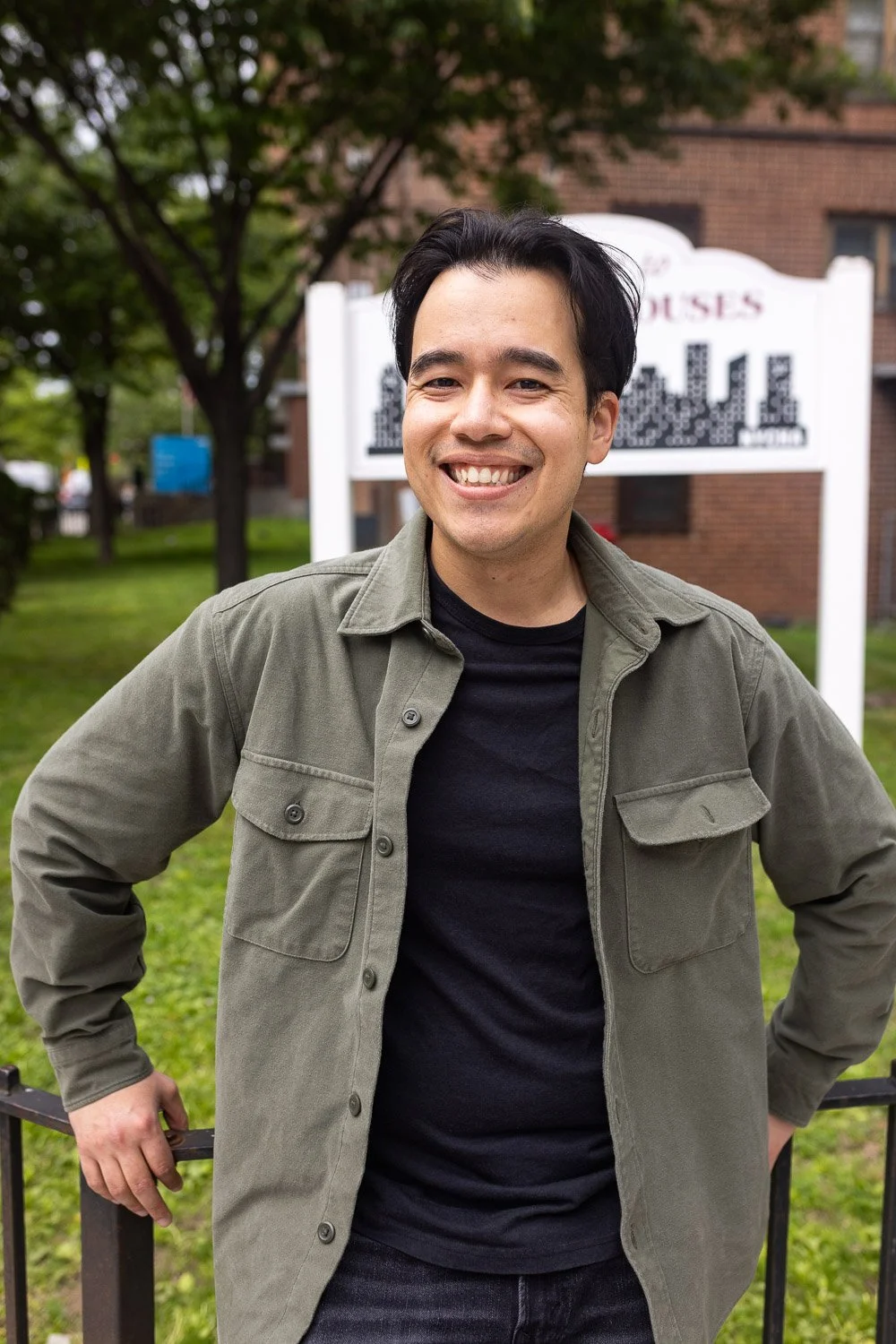
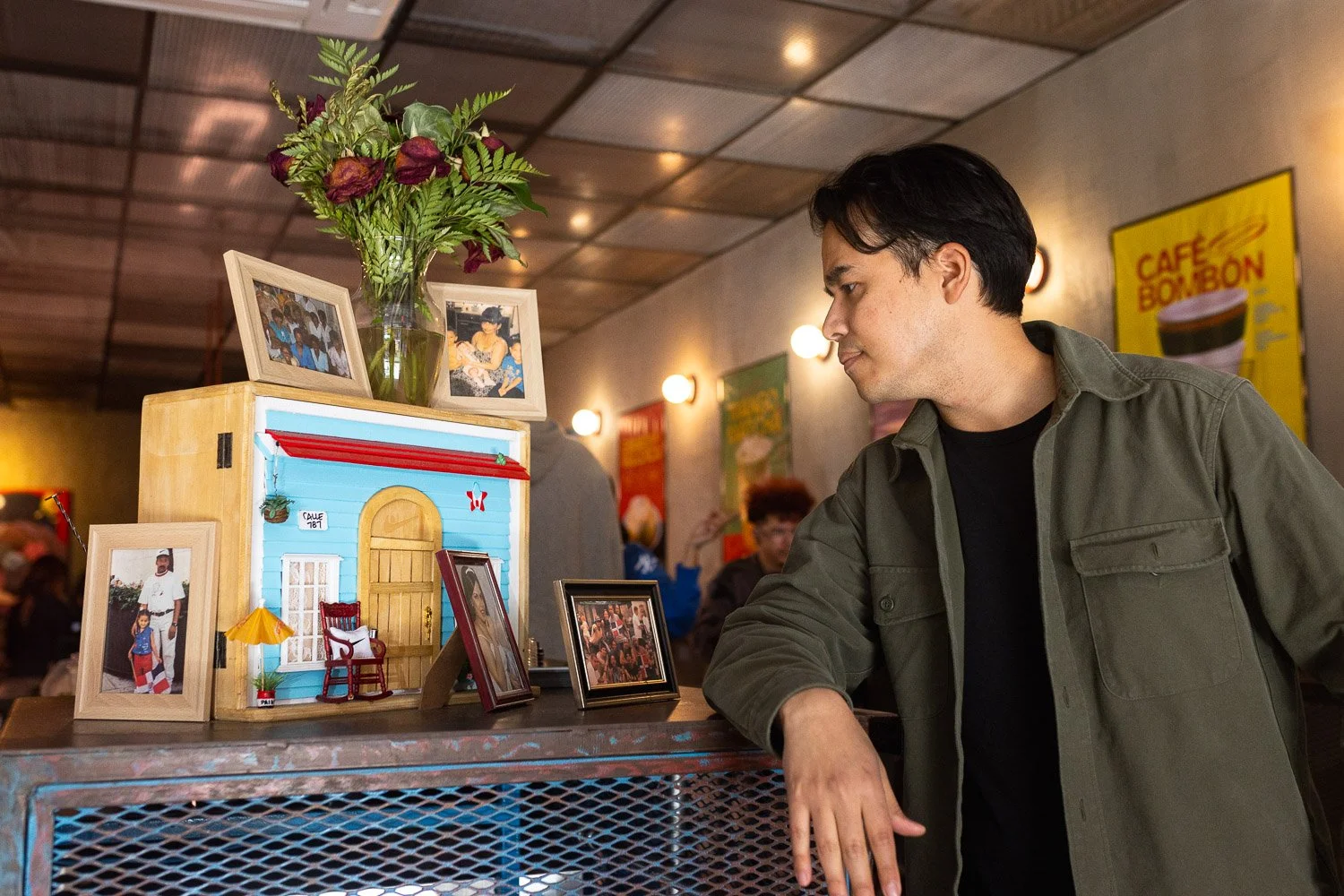
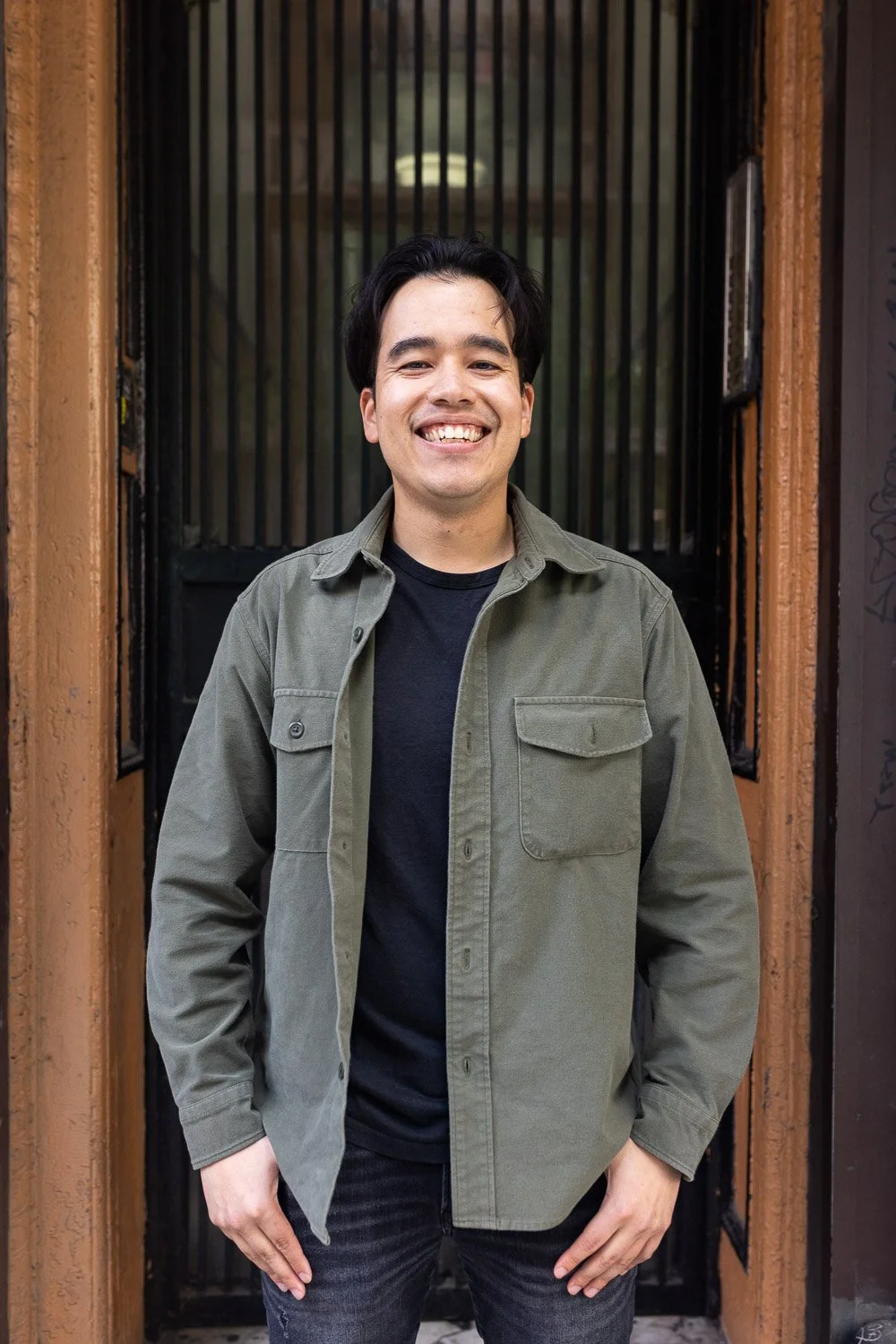
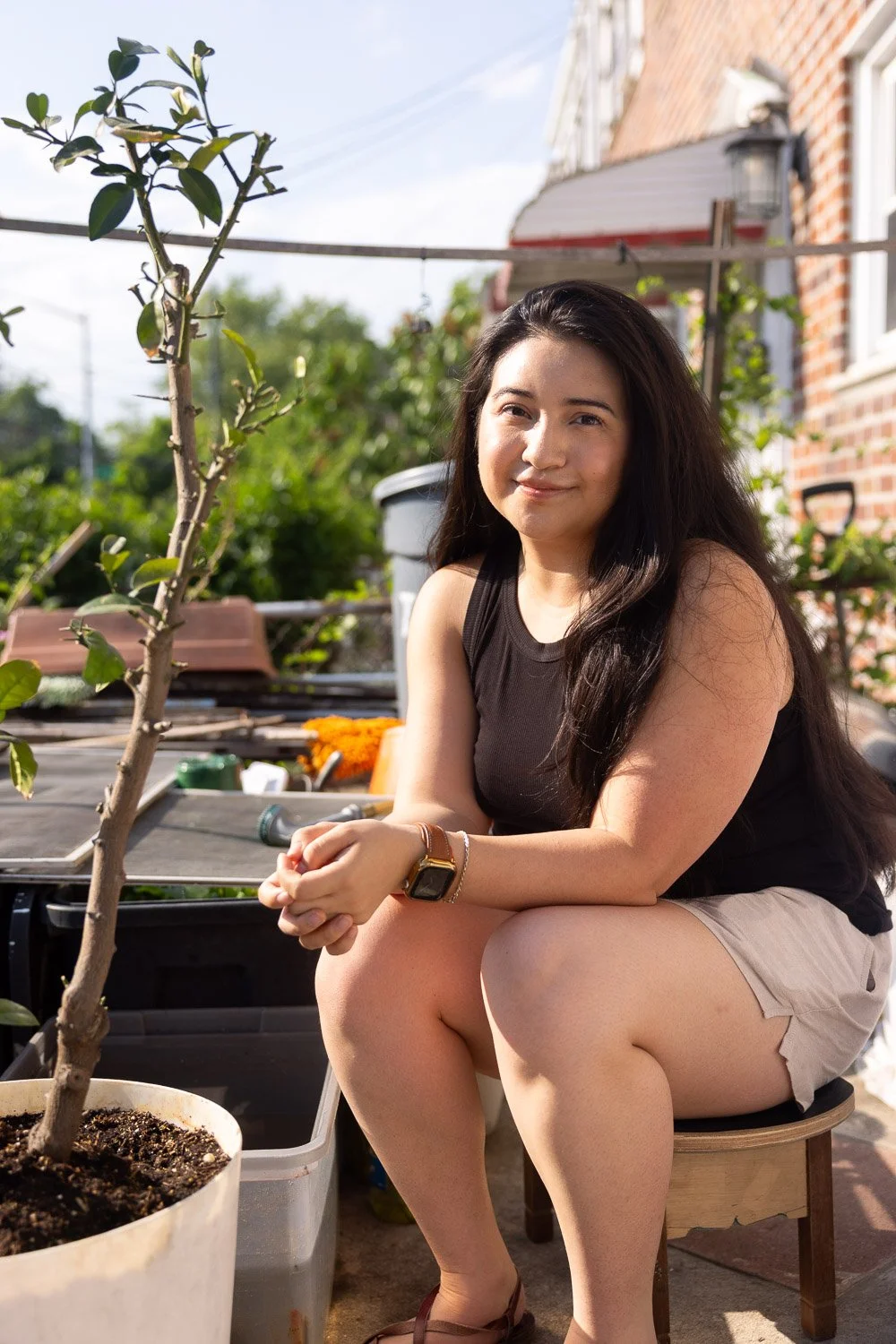
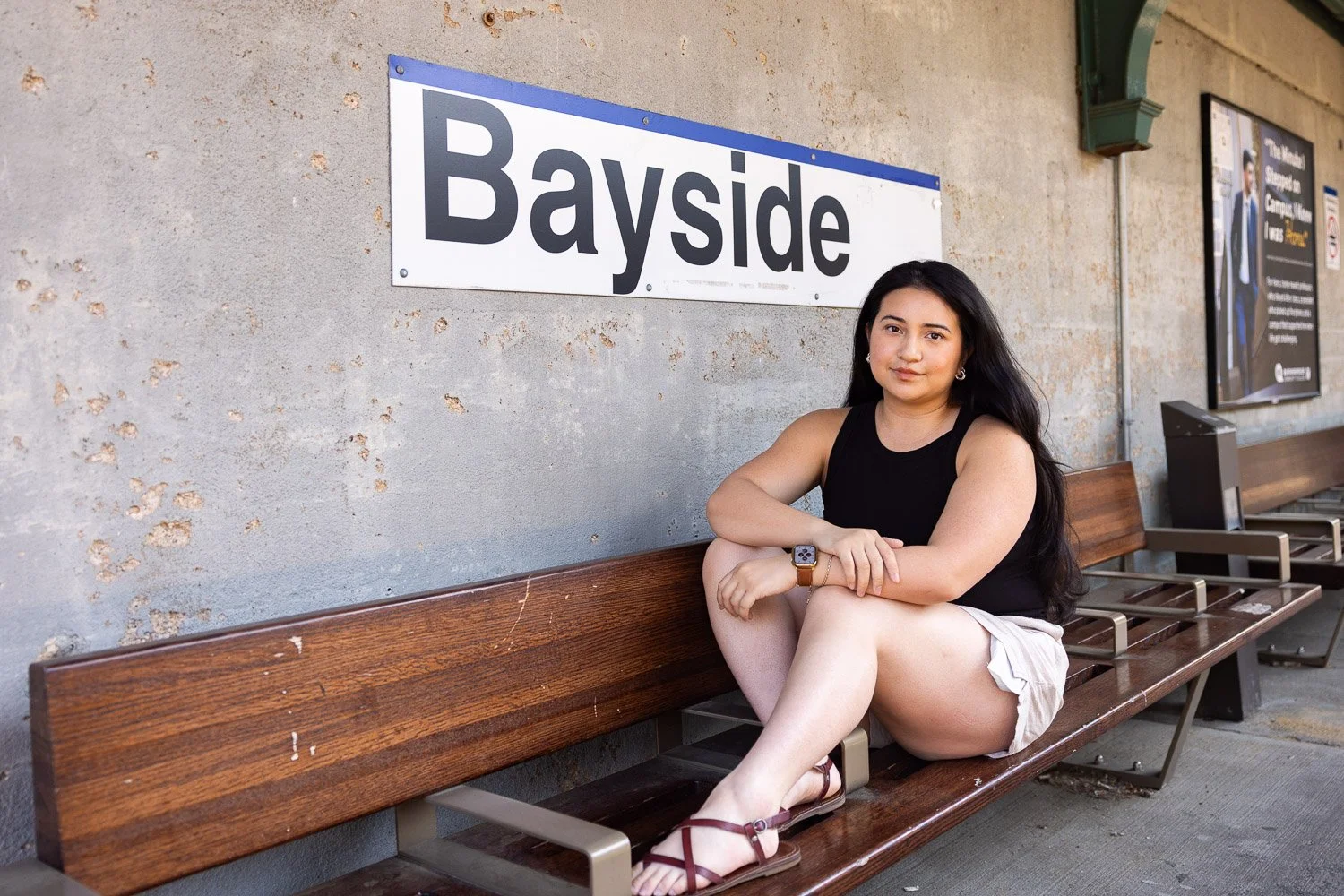
Abby: My name is Abby Jim. My pronouns are she/her, and I am Chinese and Ecuadorian.
Sean: Where were you born and raised, and how was growing up for you there?
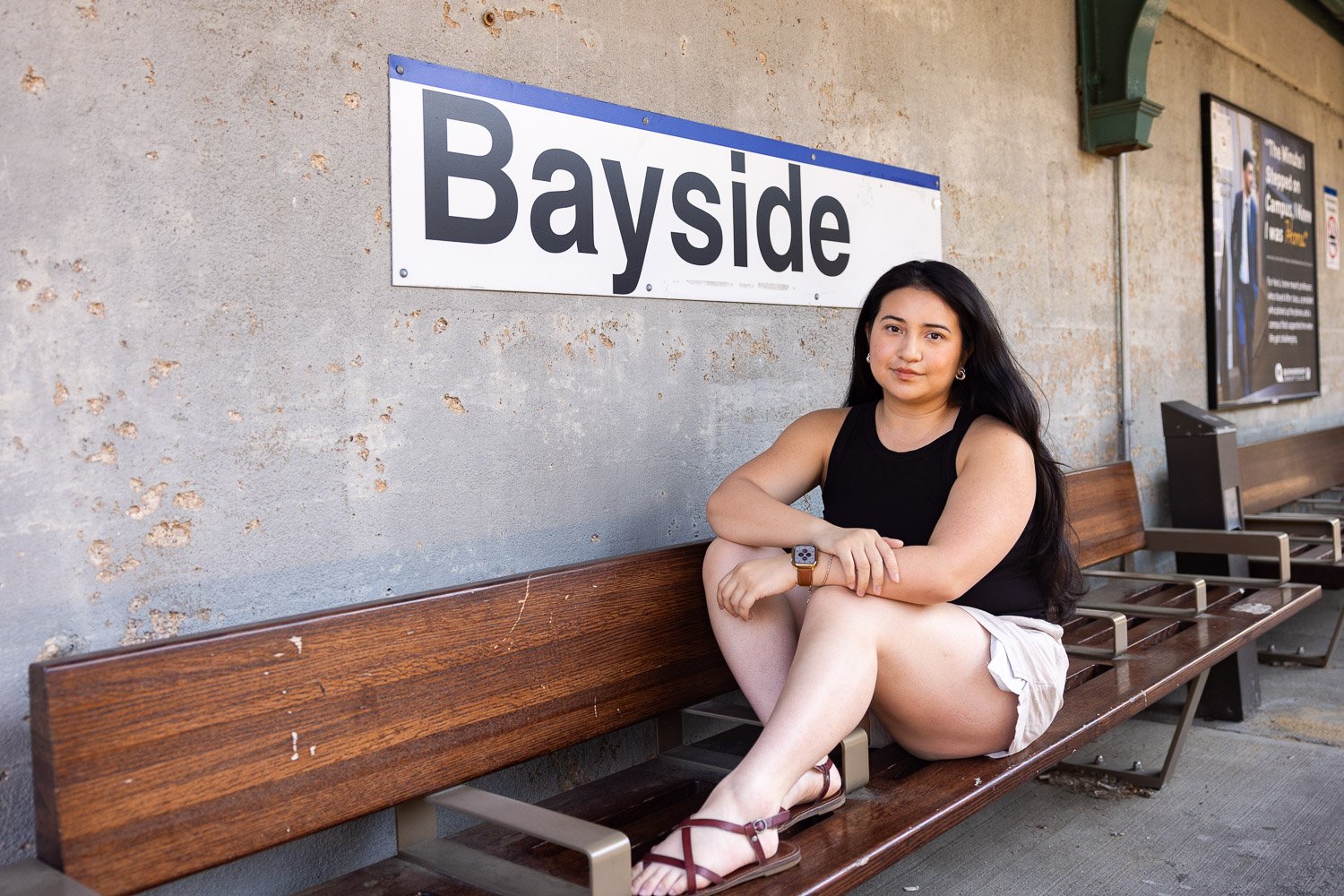
Abby: I was born and raised in Bayside, Queens. All my family lives within a five minute radius, with a few of them living in Connecticut. Growing up, you don't really realize how blessed you are until you go outside. I grew up with a pretty diverse friend group and always had the best food available. I didn't have to go too far to get the best of something. I have no complaints. Like I would never have to trek 30 minutes to get the best sushi or dim sum.
Sean: What was it like growing up in a Latino Asian household?
Abby: So my parents are divorced. I lived with my mom most of the time, but I would always see my dad since he also lives 5 minutes away in Bayside. They got divorced when I was 4, 5,
People always assumed I was Latina. That was kind of a give or take. Maybe they'll get the country wrong, but that's about it. I was definitely a “no sabo” kid. I was very stubborn about learning any kind of language. I did not see the purpose in it, so I would never really speak Chinese to my grandparents. I would never answer my mom back in Spanish. It wasn't until I was older and I realized how bad my Spanish was that I actually put effort into speaking it and having it be a part of my daily interactions with my mom.
I used to do Spanish singing shows growing up, which is ironic because I didn’t really speak that much. I did shows called “La Voz Kids” and “La Banda”. And it’s crazy because my Spanish was so bad. My mom would make it a thing where she would ignore me unless I answered her back in Spanish. Eventually it stuck to me more.
It was cool because, it sucks to say, it was always a lot easier to immerse myself in my Latino culture. On the surface, it was what people picked up on very fast.
My mom was born here and my dad was born in China.
I'm only first generation Chinese, but my dad spoke to me and my brother mostly in English. And it was really just my grandparents that would speak to us in Chinese.
I definitely took that for granted. One of my biggest regrets in life is that I will never have a full on back and forth conversation with either of my grandparents without the use of Google Translate, or my father as a translator.
Sean: There’s American, there’s Asian, and there’s being Latino. Can you tell me more about when you started to realize you were different in regards to identity vs other folks?
Abby : I've always felt very culturally close to Latin and Chinese. I don't speak Chinese the way I probably should be able to, or even close to how I speak Spanish. But culturally, I never felt disconnected to either.
I grew up in Catholic school, for elementary and middle school, and I remember being such an obnoxious kid. I’d force my class to celebrate Chinese New Year. I'd come in with a “cheongsam” over my uniform and I would bring in my grandpa’s drawings that had a phoenix or a dragon. I would bring that in as decoration, along with the lion dance puppet. I was really obnoxious about it, but I was very proud. I always had something to relate to, whether it was because of my Latin or Chinese heritage.
I love the idea of being connected to my ancestry and my lineage. I'm very, I guess spiritual, in the sense where I genuinely believe there are aspects of my life that are being watched over on both sides. I like to pay homage and I think that's more of a Chinese thing.
There’s the grave sweeping holiday that happens in April. That was always the thing that we would do with my grandparents. We burned the money, burned the gold, all of that. With that practice, I feel there's always been a reverence, a respect for my roots.
My families in Ecuador and China - they’ve always treated me with the utmost kindness, so welcoming. It’s the “give you the shirt off the back” type. I never felt like I was visiting as an outsider. It was more like an open arm policy. They never saw me as less Latina or less Chinese. That never came up in conversation.
Sean: How different were your interactions with your family back in China to the times that you went to Ecuador?
Abby: The music's definitely different. When I celebrate with my Chinese side of the family, there's no music. It’s crazy to think. It's just like a lot of food and talking. But with my Ecuadorian family, it's the complete opposite. The food has to be somewhere else, because you have to make room to be able to dance and party. It's very different in the way that we celebrate things.
Interaction wise, both are just very respectful and have a sense of filial piety. You respect your elders no matter what. Both cultures are very family oriented, with big gatherings. Nothing is ever hollow. Both great food.
For my 21st birthday, I got to have Peking Duck and pernil that my mom made. I had an entire spread of all the best food that you could possibly think of. It was the best day of my life.